The digital search world is changing at an unprecedented pace. With the emergence of AI tools like ChatGPT, Gemini, and Perplexity, users no longer type keywords and click on links. Instead, they ask direct questions and get instant answers.
?This shift has introduced a new term: GEO or Generative Engine Optimization. What is it? And does it replace traditional SEO
?What is GEO (Generative Engine Optimization)
GEO is the practice of optimizing digital content to appear within AI-generated answers, not just in traditional search results.
While SEO focuses on ranking on Google's search results page, GEO focuses on AI mentioning your brand or citing your content in its answers.
Simple example:
SEO: A user searches for "best phone" and your site appears in the results.
GEO: A user asks ChatGPT "what is the best phone to buy now?" and ChatGPT mentions your product in its answer.
The Key Difference Between GEO and SEO
SEO (Search Engine Optimization):
Goal: Rank in traditional search results.
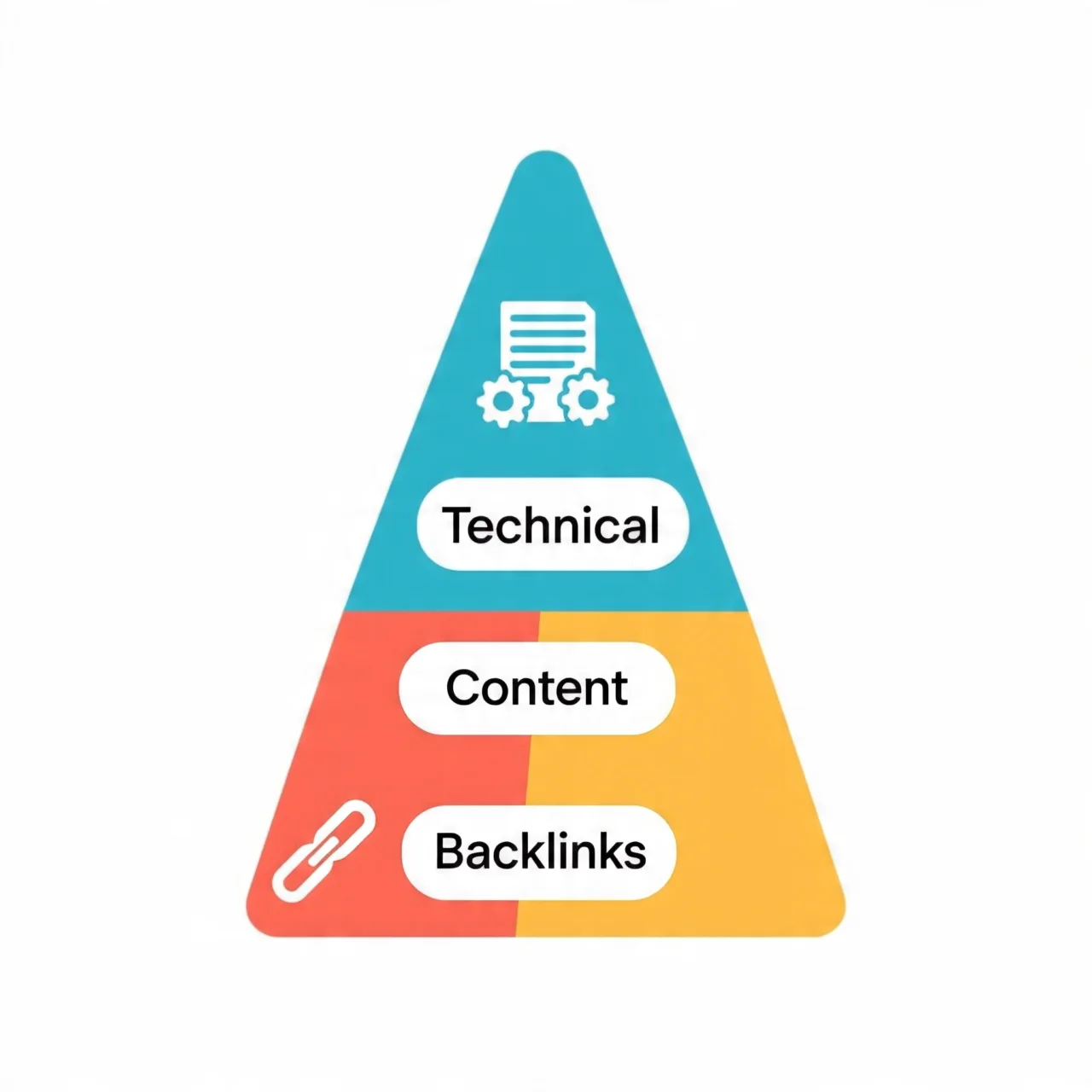
Mechanism: Keywords, backlinks, site speed.
Result: Visits to your website.
GEO (Generative Engine Optimization):
Goal: Appear in AI-generated answers.
Mechanism: Structured content, clear context, credibility across multiple platforms.
Result: Brand mention in AI answers even without visiting the site.
?Does GEO Replace SEO
The short answer: No. GEO complements SEO, it does not replace it.
Google still receives over 8.5 billion searches daily. Traditional SEO is still essential. But users are increasingly turning to AI tools for direct answers.
The best strategy is to combine both:
SEO for driving traffic from Google.
GEO for building authority and credibility in AI answers.
Secrets of Successful GEO
1. Structured and Clear Content
AI tools love clear structure. Use:
Clear subheadings.
Numbered lists and bullet points.
Comparison tables.
Direct FAQ questions.
2. Direct Answers
Write clear and concise answers to common questions. AI extracts these answers and uses them directly.
3. Credible Sources
AI prefers content from trusted sources. Try:
Publishing on reputable platforms.
Getting mentions from news sites.
Building a strong presence on social media.
4. Structured Data
Help AI understand your content using Schema.org.
5. Continuous Updates
AI prefers fresh content. Update your articles regularly.
Useful GEO Tools
Google Search Console: To understand how Google indexes your content.
Schema Markup Testing Tool: To verify structured data.
ChatGPT / Gemini: To test how AI answers questions in your field.
Brand Monitoring Tools: To track your brand mentions in AI answers.
Conclusion
GEO is not a replacement for SEO, but a natural extension of it in the age of artificial intelligence. The future requires an integrated strategy that combines:
Traditional SEO for traffic.
GEO for authority in AI answers.
Start today by optimizing your content to be AI-ready, and your steps forward will be faster than your competitors.
Frequently Asked Questions
?Q: Is SEO dead now
A: No. SEO is still alive and effective. Google receives billions of searches daily. But GEO adds a new dimension to the strategy.
?Q: How long does GEO take to show results
A: GEO takes longer than SEO because it depends on how AI learns and evolves. It may take 6-12 months.
?Q: Can I implement GEO without SEO
A: You can try, but results will be much better when combining both.
?Q: What are the best GEO platforms
A: ChatGPT, Google Gemini, Perplexity, Microsoft Copilot.
?Q: How do I know if my brand appears in AI answers
A: Test it yourself. Ask AI questions in your field and see if it mentions you.
?Q: Is long content useful for GEO
A: Yes, but clarity and organization matter most. AI easily extracts information from well-structured content.